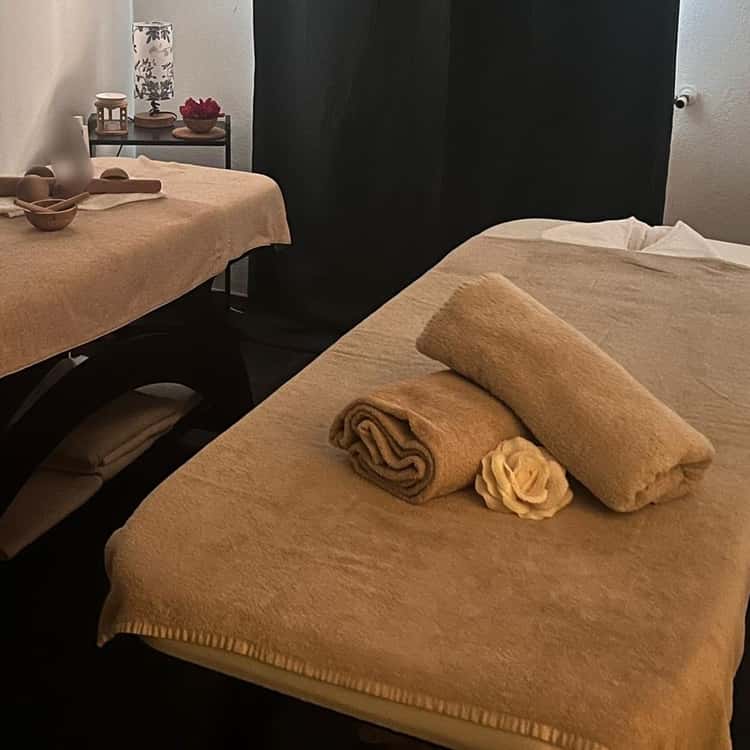
How Massage Outcall London Services Bring Relaxation to You

Stress has become one of the most commonly reported health concerns among urban professionals. City life demands a great deal from the body and mind—long commutes, extended screen time, and high-pressure work environments take a cumulative toll. At the center of this growing need for recovery, massage outcall London services have emerged as a practical and highly effective solution, bringing professional therapeutic care directly to homes, hotels, and offices across the city.

Table of Contents

What Makes Outcall Massage Different From Visiting a Spa?

The traditional spa model asks you to book in advance, travel across the city, and carve out extra time before and after your appointment. Outcall massage removes those logistical barriers entirely. A qualified therapist arrives at your chosen location, sets up a professional treatment space, and delivers the same standard of care you would receive in a premium clinic.

Research consistently shows that the environment in which a person receives a massage has a direct impact on the depth of relaxation achieved. Being in a familiar, comfortable space lowers cortisol levels more effectively than being in an unfamiliar setting—which means the therapeutic benefit of an outcall session can actually exceed that of an in-clinic visit.

Who Uses Outcall Massage Services in London?

Busy Professionals and Remote Workers

Those working from home often report higher levels of physical tension than office-based employees. Without access to ergonomic support and regular movement breaks, muscle tightness in the neck, shoulders, and lower back is common. Outcall massage provides targeted relief without requiring any interruption to the working day beyond the session itself.

Hotel Guests and Visitors

London attracts visitors for business and leisure throughout the year. Many hotel guests seek in-room massage services to recover from jet lag, ease travel fatigue, or simply enhance their stay. Outcall therapists familiar with serving hotel clients understand how to deliver a seamless, professional experience in that environment.

Individuals Managing Chronic Tension or Recovery

For those dealing with ongoing muscular discomfort or recovering from physical exertion, consistent access to massage therapy is an important part of a wellness routine. Outcall services make it easier to maintain a regular schedule without the added physical effort of traveling to a clinic.

What Types of Massage Are Typically Available Through Outcall?

Reputable outcall therapists in London are trained in a wide range of modalities, including:

Swedish massage — focused on relaxation and circulation

Deep tissue massage — targeting chronic muscle tension and knots

Sports massage — designed for active individuals and recovery

Pregnancy massage — safe and supportive for expectant mothers

Reflexology — working through pressure points in the feet and hands

The ability to choose a specific modality means clients can tailor each session to their current physical needs rather than receiving a generic treatment.

How Do You Ensure Quality When Booking an Outcall Therapist?

Look for Verified Credentials

Qualified massage therapists in the United Kingdom hold recognized certifications and are typically registered with professional bodies such as the Federation of Holistic Therapists (FHT) or the Complementary and Natural Healthcare Council (CNHC). Always confirm credentials before booking.

Read Client Reviews Carefully

Authentic reviews from verified clients provide insight into both the therapist’s technical skill and their professionalism. Pay particular attention to comments about punctuality, communication, and the quality of equipment brought to each session.

Confirm What Is Included

A professional outcall service should include all necessary equipment—a portable massage table, fresh linens, oils, and any additional tools required for the chosen treatment. Clarifying this in advance prevents any confusion on the day.

The Lasting Value of Bringing Wellness Home

Regular massage therapy supports better sleep, reduced anxiety, improved circulation, and faster muscular recovery. When the process of accessing that therapy is simplified—when the therapist comes to you—the likelihood of maintaining a consistent wellness routine increases significantly.

London’s outcall massage industry continues to grow because it solves a real problem: quality therapeutic care that fits around modern life rather than demanding that life reorganize itself around an appointment. For anyone seeking genuine, professional relaxation without leaving their front door, outcall massage remains one of the most sensible and effective options available.

What You Need to Know

  • Stress is a common health concern among urban professionals due to the demands of city life.
  • Outcall massage services in London provide professional therapeutic care directly to clients’ homes, hotels, and offices, eliminating the need for travel.
  • Research indicates that receiving a massage in a familiar environment can enhance relaxation and lower cortisol levels more effectively than in an unfamiliar setting.
  • Busy professionals, remote workers, hotel guests, and individuals managing chronic tension are primary users of outcall massage services.
  • Outcall therapists in London offer various massage modalities, including Swedish, deep tissue, sports, pregnancy massage, and reflexology.
  • Regular access to massage therapy through outcall services can improve sleep, reduce anxiety, enhance circulation, and support muscular recovery.
A Wedding Wig Should Feel Predictable Before the Big Day

A wedding wig should not make its first full-day appearance at the ceremony. Compare three realistic routes—human hair, blended fibre, or a familiar existing piece—then complete a long trial with the outfit, accessories, photography, weather, and removal routine. The goal is not maximum transformation; it is predictable comfort from preparation through the last photograph.

Do not begin the hair decision with the dress

Begin with the wearer’s normal relationship to wigs. A first-time wearer needs more practice time than someone who already rotates pieces. Note scalp sensitivity, current hair, preferred attachment, glasses or hearing devices, ceremony length, outdoor exposure, dancing, travel, and whether a stylist will remain available.

Then add the outfit. Neckline, veil, jewellery, headpiece, collar, and cultural or religious coverings can touch the cap and fibres. A high collar may rub the nape. A heavy veil comb can change balance. Earrings can catch lace or hair. Test the full system rather than approving each item separately.

Set a decision deadline with enough time for fitting, customization, colour, cut, one complete wash-and-restyle cycle where appropriate, and a full trial. Custom work may need additional production and adjustment time. Keep written approval of colour, density, length, cap, deposit, and remake policy.

Compare three viable wedding routes

  1. Human-hair wig: offers broad heat-styling and restyling possibilities, with washing, weather response, and professional finishing to consider.
  2. Blended-fibre wig: may balance shape retention with some styling flexibility, depending on the exact fibre ratio and instructions.
  3. Familiar existing piece: offers known comfort and security, with professional refreshing or a new style instead of a new cap.

A human-hair route suits a wearer who values movement, colour nuance, and a style that can be reshaped. The Truly You human-hair wig options discuss lace fronts, hand-tied monofilament construction, and styling flexibility within the collection. Confirm the features of the exact model, who will cut and style it, and how it behaves after washing.

A blend may require less reshaping while preserving some natural-hair character. Blended collections are often presented as a middle route between preset synthetic shape and full human-hair restyling. Request the human-hair percentage, heat ceiling, chemical restrictions, drying method, and whether the planned wedding style is compatible.

The existing-piece route is easy to overlook because shopping feels like part of event preparation. Familiar fit has value. A trusted piece can be cleaned, repaired, cut, coloured where safe, or styled differently. Use the budget for a professional refresh, backup, or accessories rather than forcing a new cap into a short timeline.

Compare each route with the same ownership questions. How long does morning styling take? Who washes and resets it? What happens in humidity? Can the cap be worn through the full reception? Which alterations end the return period? A route should remain attractive after maintenance is added to the picture.

Bring reference images that show texture, movement, and density—not only celebrity colour. Ask the stylist to explain which parts of the inspiration depend on lighting, extensions, retouching, or the model’s own hair. Translate the photograph into a realistic brief for the selected fibre and cap.

Camera and lighting tests need their own appointment

Photograph the piece in window light, outdoor shade, direct sun if relevant, warm indoor light, and flash. Capture the front, both profiles, crown, nape, and movement. Ask the photographer or stylist how the venue lighting affects shine, hairline contrast, and dark or very light colours.

Do not solve every camera concern with more density. Heavy hair can obscure features, trap heat, and make attachment harder. A slightly lighter density, nuanced colour, careful lace matching, and face-framing cut may look more convincing across a full gallery.

Complete the makeup and skin-care routine during the trial. Foundation, moisturizer, sunscreen, and perspiration can affect lace appearance, grip, or adhesive if used. The hair stylist and makeup artist should agree on the order of application and which products can safely touch the base.

Test the actual veil, combs, pins, flowers, tiara, scarf, or other covering. Ask where accessories anchor and whether they add tension. The cap should remain secure when the veil is lifted, removed, or caught lightly during a hug. Rehearse that transition with the person who will help.

The event-day kit should be small and approved

  • The brush or wide-tooth comb recommended for the fibre
  • A compact mirror and a few approved pins
  • Only the tape, grip, or attachment item tested during the trial
  • A small anti-friction or finishing item if the stylist approves it
  • Written stylist contact details and one helper who knows the cap
  • A scarf, alternate covering, or backup piece if that reduces stress

Do not add aerosol colour, oil, adhesive, solvent, high-heat tools, or a new shine product on the morning of the event. An emergency kit should restore the tested setup, not create a second styling experiment. Photograph the finished cap and accessory placement during the trial so the helper has a reference.

Choose one person to assist. Too many hands can shift the cap, over-tighten security, or apply incompatible products. The helper should know how to align the front, check the nape, remove the veil, and respond if the wearer needs a private break.

If the selected route is a blend, review the Truly You blended-wig information with the stylist before packing tools. Its collection page emphasizes both care convenience and styling options, but the exact piece still determines safe heat and product use. Put those limits in the helper’s notes.

Label everything and keep the kit with the designated helper. If tape or another attachment component is included, pre-cut or prepare it only as the manufacturer and fitter recommend. Add a clean storage bag for used accessories so pins and adhesive backings do not scatter through clothing.

Rehearse the full day and the quiet ending

Wear the piece for at least as long as the planned ceremony and reception segment before any private adjustment. Eat, sit against a chair, walk outdoors, dance, bend, and use the washroom. Note pressure after two hours, heat, movement, tangling, and the time needed for a discreet check.

Repeat at least part of the trial in the likely season. July humidity, wind at an outdoor venue, air conditioning, and a warm dance floor can affect fibre and comfort differently. If the wedding involves a climate unlike home, ask how the stylist wants the piece packed and refreshed after arrival.

Practise photography while moving. Turn toward a window, walk away from the camera, lift the veil, and hug someone wearing textured clothing or jewellery similar to the wedding party. These small tests reveal catching, friction, and views of the crown that seated mirror work misses.

Plan removal before the event. Set out the stand, detangling tool, approved removal product where relevant, and storage. If the couple travels immediately afterward, decide whether the wig will be worn, packed, or serviced. Human hair and blended fibres have different care needs after styling products and a long day.

Confirm who owns the post-event task. A tired wearer should not have to search for solvent, instructions, or a stand after the reception. If the piece is professionally attached, schedule removal or maintenance in advance and avoid extending wear beyond the recommended period because travel plans changed.

Keep the packing method simple for a honeymoon or next-day trip. Protect the front and styled shape, use the recommended case, and keep essential care items in accessible luggage. Photograph how the stylist packed it so the same support can be recreated on the return journey.

The final trial should feel uneventful. The wearer knows the cap, the helper knows the accessories, the photographer has seen the fibre, and the kit contains no surprises. That predictability lets the hair become part of the celebration rather than a separate performance to manage.