
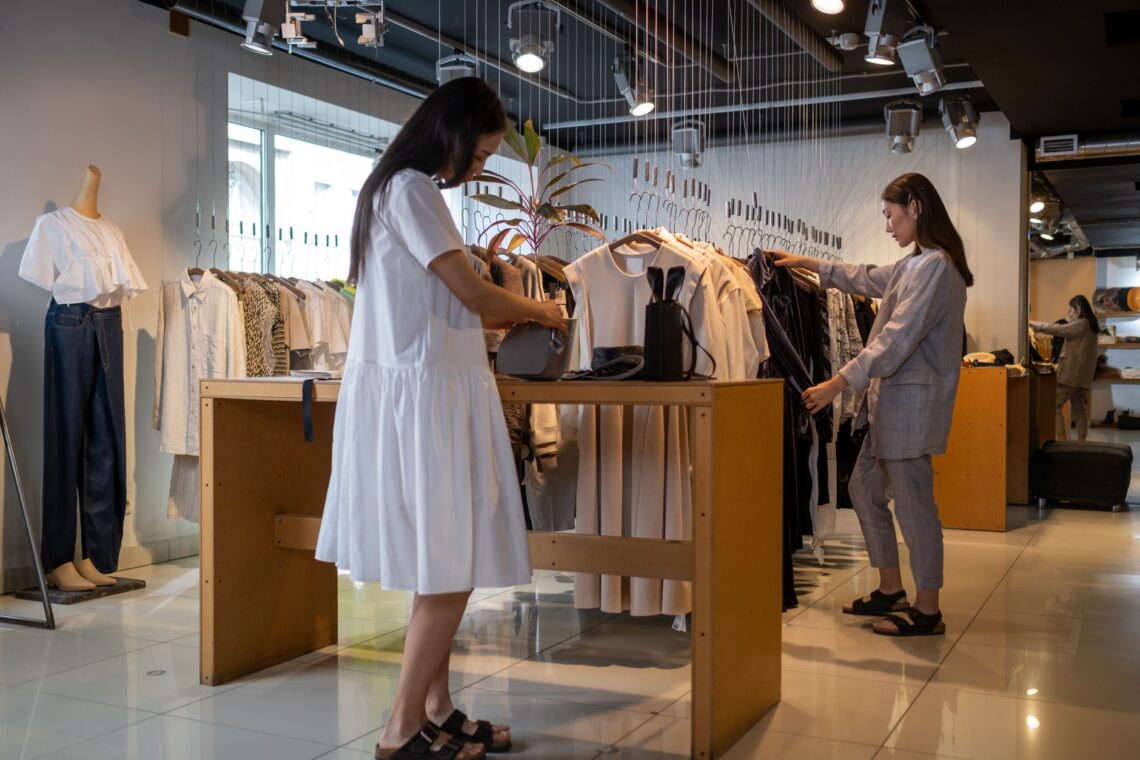
D2C-to-Store Expansion: The Smart Model for Growth
D2C-to-Store Expansion is a game-changing model for brands looking to grow. The Sleep Company is leading the way with innovative strategies that enhance customer engagement and sales.
What is D2C-to-Store Expansion?
The concept of D2C-to-Store Expansion refers to the strategic approach where brands that initially operate through direct-to-consumer (D2C) channels broaden their reach by establishing physical store locations. This model allows companies to enhance customer engagement and provide a tangible shopping experience.
Brands like The Sleep Company have successfully implemented this strategy, leveraging their online presence to drive foot traffic to brick-and-mortar stores. The benefits of this expansion model include:
- Enhanced Customer Experience: Physical stores allow customers to interact with products before making a purchase, fostering trust and satisfaction.
- Increased Brand Visibility: Having a physical location helps brands establish a stronger presence in the market and attract new customers.
- Data-Driven Insights: Companies can gather valuable customer feedback and shopping patterns from in-store visits, informing future strategies.
- Omnichannel Opportunities: D2C-to-Store Expansion allows brands to integrate online and offline shopping experiences, catering to diverse consumer preferences.
As retailers adapt to changing consumer behaviors, the D2C-to-Store Expansion model presents a compelling avenue for sustainable growth.
Benefits of the D2C Model
The D2C-to-Store Expansion model offers numerous benefits for brands looking to enhance their reach and customer experience. By bridging the gap between online and physical retail, companies can create a more cohesive shopping journey for consumers.
One significant advantage of this model is the ability to gather valuable customer data. Direct-to-consumer interactions allow brands to understand preferences and behaviors, facilitating tailored marketing strategies. Additionally, moving into physical stores can enhance brand visibility and accessibility, appealing to a broader audience.
Another benefit is the opportunity for improved inventory management. By integrating online sales with brick-and-mortar locations, businesses can optimize stock levels and reduce excess inventory. This efficiency not only cuts costs but also ensures that customers find the products they desire.
Furthermore, D2C-to-Store Expansion fosters stronger customer relationships. Engaging with consumers in a physical space builds trust and loyalty, leading to repeat purchases. As brands continue to explore this innovative approach, they can leverage the strengths of both digital and in-store environments to drive sustainable growth.
The Sleep Company’s Growth Strategy
The Sleep Company is redefining its growth strategy through a robust D2C-to-Store Expansion model, aimed at enhancing customer engagement and increasing market presence. By integrating direct-to-consumer sales with physical retail locations, the company is positioned to leverage the strengths of both channels.
Key components of The Sleep Company’s growth strategy include:
- Market Research: Continuous analysis of consumer preferences helps tailor products to meet customer needs effectively.
- Store Experience: The company focuses on creating immersive in-store experiences that allow customers to test products, fostering trust and satisfaction.
- Online Integration: Seamless integration between online and offline platforms ensures a consistent brand experience, encouraging customers to transition between the two.
- Data Utilization: Leveraging customer data from both D2C and retail channels drives personalized marketing efforts and inventory management.
Through this strategic approach, The Sleep Company not only boosts its sales but also enhances customer loyalty, establishing a sustainable model for long-term growth in an increasingly competitive market.
Challenges in Retail Expansion
While the D2C-to-Store Expansion model offers numerous advantages, it also comes with its own set of challenges that retailers must navigate. Understanding these obstacles is crucial for success in this evolving landscape.
- Supply Chain Management: As brands shift from direct-to-consumer to a physical retail presence, managing inventory effectively becomes increasingly complex. Ensuring that products are available in both online and offline channels requires careful coordination.
- Consumer Expectations: Customers expect a seamless experience across all platforms. This means that brands must maintain consistent pricing, availability, and customer service, regardless of whether a purchase is made online or in-store.
- Location Selection: Choosing the right locations for physical stores is vital. Brands must analyze market data to identify areas where consumer demand aligns with their product offerings, which can be a time-consuming process.
- Branding Challenges: As companies expand their reach, they must ensure that their brand identity remains strong and recognizable. This includes adapting marketing strategies to resonate with local consumers while maintaining a cohesive brand image.
Successfully addressing these challenges is essential for any retail brand looking to leverage the D2C-to-Store Expansion model for growth.
Future Trends in Fashion Retail
As the retail landscape continues to evolve, several future trends are emerging that highlight the significance of the D2C-to-Store Expansion model in fashion retail. Brands are increasingly recognizing the importance of creating seamless shopping experiences that blend online and offline channels.
One notable trend is the rise of experiential retail. Consumers are seeking more than just products; they want engaging experiences that resonate with their lifestyle. Brands that invest in interactive in-store experiences are likely to attract a loyal customer base.
Additionally, data-driven strategies are becoming crucial. By leveraging customer insights from direct-to-consumer sales, companies can tailor their store offerings to meet specific consumer demands. This targeted approach not only enhances customer satisfaction but also optimizes inventory management.
Another trend is the emphasis on sustainability. As consumers become more environmentally conscious, brands that prioritize sustainable practices in their D2C-to-Store Expansion efforts will stand out in a crowded marketplace. This includes sourcing materials responsibly and offering recycling programs.
Overall, the future of fashion retail will be shaped by the integration of technology, sustainability, and personalized experiences, making the D2C-to-Store Expansion a smart model for growth.
Photo by Ron Lach on Pexels
Where this came from


You May Also Like

Michael Kors Store Opening: Worth a Visit for Fashion Lovers

Phoenix Festival 2026: The Best Fashion Experience Awaits